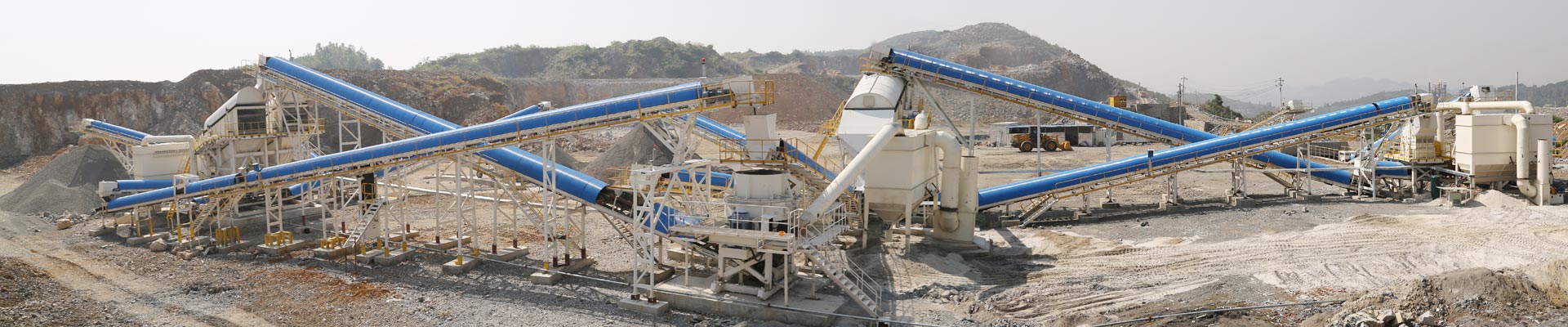
Vibrating screen is widely used in coal, metallurgy, chemical, food and other industries. However, screen blockage often occurs during operation, which reduces production efficiency and downgrades product quality. How to solve this problem? Details are as follows:
1. Optimize material properties: Take targeted measures according to material moisture, viscosity and particle size distribution. For high-moisture materials, drying treatment can reduce water content; for sticky materials, add appropriate additives to lower viscosity.
2. Select proper mesh size: Choose the right screen aperture based on material particle size and grading requirements to ensure smooth material passing. Generally, the aperture should be slightly larger than the maximum particle size to effectively prevent blocking.
3. Improve screen surface structure: Optimize the structural design of the screen surface to improve material flowability. For example, properly reduce the inclination angle of the screen surface to cut flow resistance and reduce blockage risk.
4. Adjust operating parameters: Set vibration frequency, amplitude and feeding speed reasonably according to material characteristics and equipment performance. Increasing vibration frequency and amplitude appropriately can improve separation effect and reduce screen clogging.